Background:
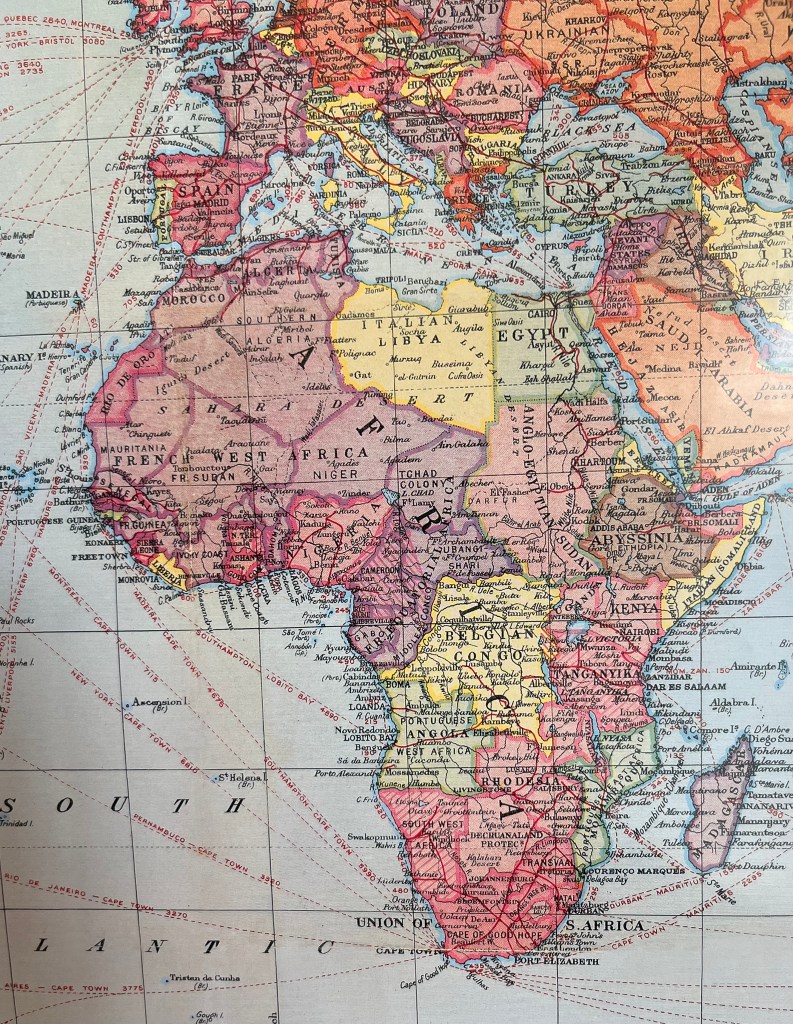
The majority of west African countries were under French colonial rule from the 19th century and were integrated into the French system to varying extents. For instance, Algeria was originally a French colony (1830-1848) but quickly became officially a part of France (1848-1962). Algeria had a status that was above that of the other African colonies, because it wasn’t a colony. In the 1950s and 1960s, all of these colonies (including Algeria following a war for independence) gained independence. This period of gaining formal independence is referred to Decolonization. However, colonialization discourse has not ceased since that time, and the idea of neocolonialism seemed more fitting for the situation of continued resource extraction, dependence on France and the west, foreign aid, and political instability.
The Internet Encyclopedia of Philosophy defines neocolonialism as:
“…the actions and effects of certain remnant features and agents of the colonial era in a given society. Post-colonial studies have shown extensively that despite achieving independence, the influences of colonialism and its agents are still very much present in the lives of most former colonies. Practically, every aspect of the ex-colonized society still harbors colonial influences. These influences, their agents and effects constitute the subject matter of neocolonialism.”
Main Actors in West Africa
Multinational Corporations
TotalEnergies – Oil and Gas
Orano (Areva) – Nuclear Energy and Uranium Mining
Orange (FranceTelecom) – Telecommunications Company
Socfin – Oil Palm and Rubber
Bollore – Ports, Transportation, Logistics
International Institutions
World Bank
World Trade Organizations
International Monetary Fund
ECOWAS (Economic Community of African States)
UNICEF
USAID
Governments
Western African National Governments
France
EU
NATO
AU (African Union)
UN
US
Russia
China
Manners in which Neocolonialism are most present:
Economic Development, Exploitation, and Relationships
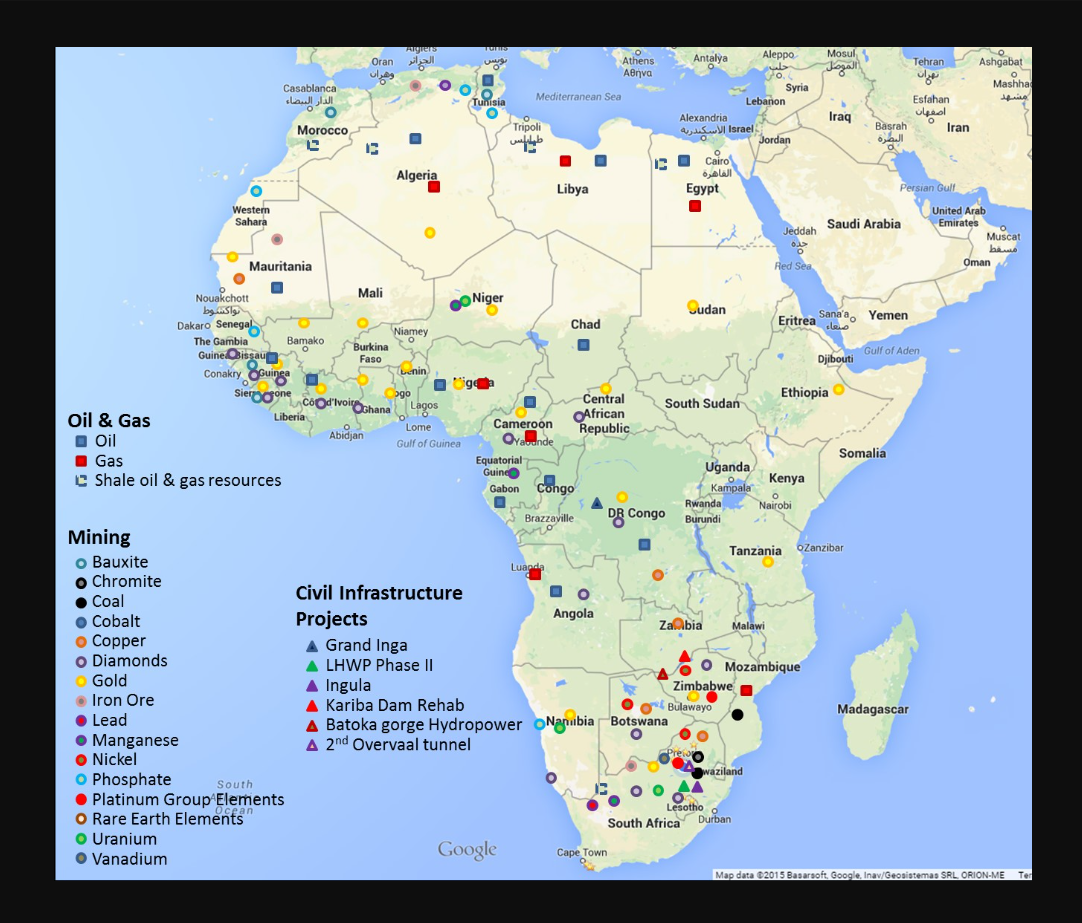
Industries – West Africa’s economies are diverse, but generally the largest economic sectors are related Mining, Oil and Gas, Agriculture, Telecommunications, Finance, Banking, Infrastructure. Hard for me to assess as there is not much coverage in mainstream media or economic literature.
Foreign Aid – potentially bad for local businesses and ineffective at fighting poverty and causing economic growth. Instances of misallocation of resources, embezzlement.
France:
Françafrique – general term for the French (sphere of influence or regime) in African continent continuing after formal independence.
Colonial Pact – in exchange for independence, countries would have exclusively close economic, military, and political relationship with France. This would increase dependence on France from the part of the west African countries.
France has had a communication of decreasing military presence in Africa but instability (wars, coups, terrorism) in certain area served as a reasoning/pretext for staying in the region.
China :
In the 21st century, the “Belt and Road initiative” provides access to infrastructure and loans to construct such projects. However, the BRI does not concern west Africa as much, as China has overwhelmingly worked with east African countries (likely due to closer geographic proximity).
Russia :
Wagner provides security assistance to local governments in central Africa. Russia has allegedly (according to the Council on Foreign Relations) conducted disinformation campaigns throughout the African continent.
Political Interference and Control
Regime Change – France and international community have to varying extents supported military coups d’etat, influenced in elections, typically against regimes or movements that were successful in transmitting anti-Western, anti-Imperialist, anti-Capitalist, and/or Pan-African sentiment.
Closely tied to economic exploitation of west Africa is political control exerted by France and international other powers. This control can ease economic exploitation on the part of multinational corporations and governments which might go against the interests and at the expense of local populations.
Currency –
Some of the major currencies in western Africa include:
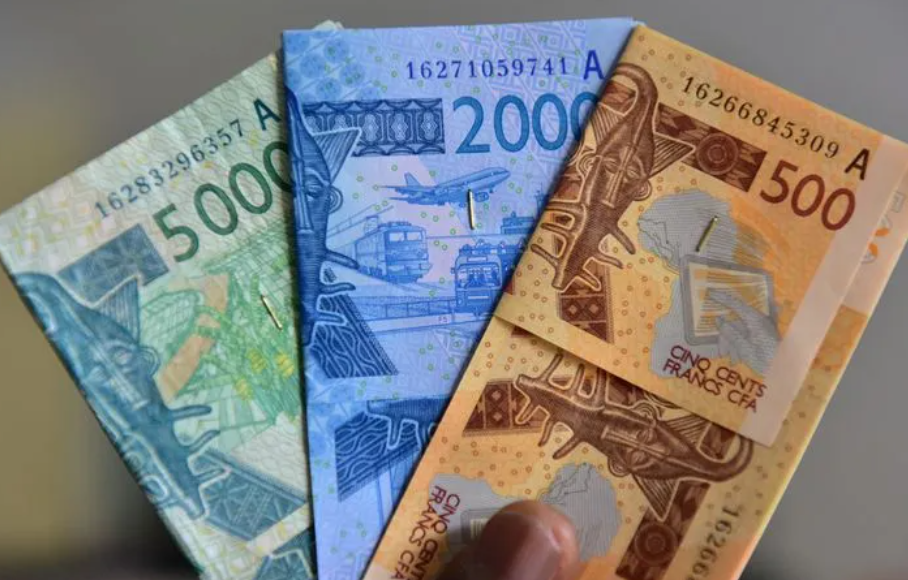
– West African CFA [XOF] (used by 8 countries including Mali, Ivory Coast, Senegal, Niger, Togo, etc.)
– Central African CFA [XAF] (used by 6 countries Cameroon, Chad, Republic of Congo, etc.)
– Algerian Dinar
The West and Central African CFA are fixed against the Euro. While the west CFA is issued by the Central Bank of West African States, the printing of the currency has been carried out by the Bank of France since the 1940s (prior to independence).
There is an initiative proposed by ECOWAS for a few of African countries currently using the XAF or XOF to switch over to a new currency called the eco. However, this project has been under way for many years and isn’t expected to operational until at least 2027.
Impact on Local populations
Strict regulations – Generally speaking, west African countries tend to have some of the most restrictive in the world for foreign investment despite being some of the larger recipients in foreign aid.
Corruption – unstable regimes, abundance of natural resources, institutions that lack efficacy and legitimacy exacerbate “resource curse”. Economy focuses on resource extraction (“rent-seeking”) rather than investing in other productive sectors. Misallocation of aid and resources might make people question whether the presence of aid and resources truly does anything for the well-being of the local community as far as economic growth or poverty. Corruption collectively furthers a lack of faith in institutions.
Limiting Language Barriers: Access to French language. There are 120 million French speakers in Africa, it is the third most spoken language in Africa after English and Arabic, more than the most African languages such Swahili or Hausa. The French have been criticized for imposing their language and culture onto the locals, as it might be seen at attempting cultural erasure. However, in an increasingly digital and globalized world, countries that have large French-, English- or Arabic-speaking populations will have an advantage in exchanging ideas and information with different cultures, peoples, and companies. As technology improves and outsourcing and Work From Home become more prevalent, speaking French English and Arabic should be an advantage for the African workforce.
Brain Drain – Some of the upper class put themselves through education outside of Africa (often in Europe or US institutions), might work elsewhere following better incentives. This loss in individuals with capital and skilled labor likely harms entrepreneurship and productivity on the African continent.
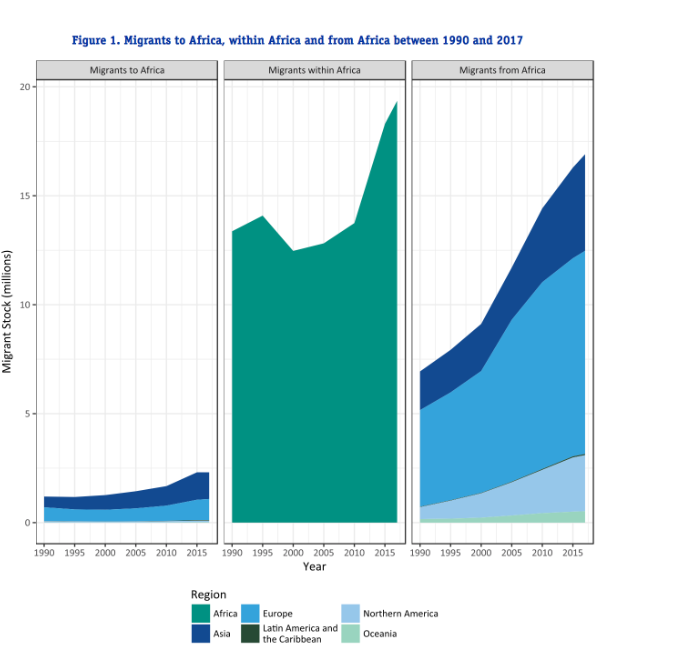
Migration – Resource extraction impacts local environment, political instability, terrorism, war, poverty, corruption, uncertain economic conditions contribute to intra-african migration to other African countries or to Europe.
Learn More:
Images:
Map of Africa, 1920. Stanford’s General Map of the World. Pyramid International
Rock_Mechanics_Map_Afririck17.jpg (1315×1123) (saimm.co.za)
Le franc CFA change de nom et devient l’Eco (20minutes.fr)
African migration: what the numbers really tell us | World Economic Forum (weforum.org)
Citations:
Russia’s Growing Footprint in Africa | Council on Foreign Relations (cfr.org)
What Will it Take to End the “Resource Curses?” | World Resources Institute (wri.org)
The Languages of the World – Kenneth Katzner, Kirk Miller – Google Books
Assessing the Role of Foreign Aid, Donors and Recipients | SpringerLink
Oil and natural gas industry in Africa – statistics & facts | Statista
Brain drain of North African scholars – The Nordic Africa Institute (uu.se)
 Welcome to Axel Michaud's Site
